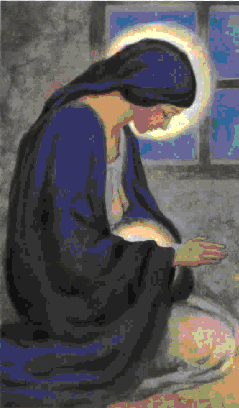
“Virgin’s First Communion” Pianist Jacqueline Chew
Olivier Messiaen (December 10, 1908 – April 27, 1992) was a devout and well-respected French Catholic composer. Olivier Messiaen wrote Vingt Regards sur l’Enfant-Jésus , a collection of pieces for solo piano in 1944. The French title translates “Twenty gazes/contemplations on the infant Jesus”. It is considered to be one of the greatest piano works of the twentieth century, and the summit of Messiaen’s keyboard writing. The idea of les regards, the spiritual gazes, came from the devotional book Le Christ dans ses Mystères by the Irish-Belgian Benedictine Abbot Dom Columba Marmion.
The gaze is a profound moment of passionate contemplation, spiritual communication and two-way recognition: an exchange, to use one of Marmion’s favorite words, in which love and knowledge passed in both directions between God and humanity.
Some of Messiaen’s ‘gazes’ on the Infant Jesus include: Gaze of the Father, Gaze of the Star, The Exchange, Gaze of the Son upon the Son, By Him everything was made, The Kiss of the Infant Jesus, Glance of Silence (click here to see all of the pieces)…the piece that touches on our blog’s theme is: ‘Premiere Communion de la Vierge’. (No. 11, “Virgin’s First Communion”) and represents the Virgin on her knees, worshiping the unborn Jesus within her.
Olivier Messiaen wrote notes for each of the glances/regards. Here is what he wrote about the Premiere communion de la Vierge:
“Première communion de la Vierge [First Communion of the Virgin]. A tableau in which the Virgin is shown kneeling, bowed down in the night-a luminous halo around her womb. Eyes closed, she adores the fruit hidden within her. This comes between the Annunciation and the Nativity: it is the first and greatest of all communions. Theme of God, gentle scrolls, in stalactites, in an inner embrace. (Recall of the theme of La Vierge l’Enfant from my Nativity du Seigneur for organ, 1935). Magnificat more enthusiastic. Special chords and durations of two and two in which the weighty pulsations represent the heartbeats of the Infant in the breast of his mother. Disappearance of the Theme of God. After the Annunciation, Mary adores Jesus within her…my God, my son, my Magnificat!-my love without the sound of words.”
Here are two links:
Program Notes for Twenty Glances on the Infant JesusVingt Regards sur l’Enfant-Jésus
The Elusive Allure of Olivier Messiaen
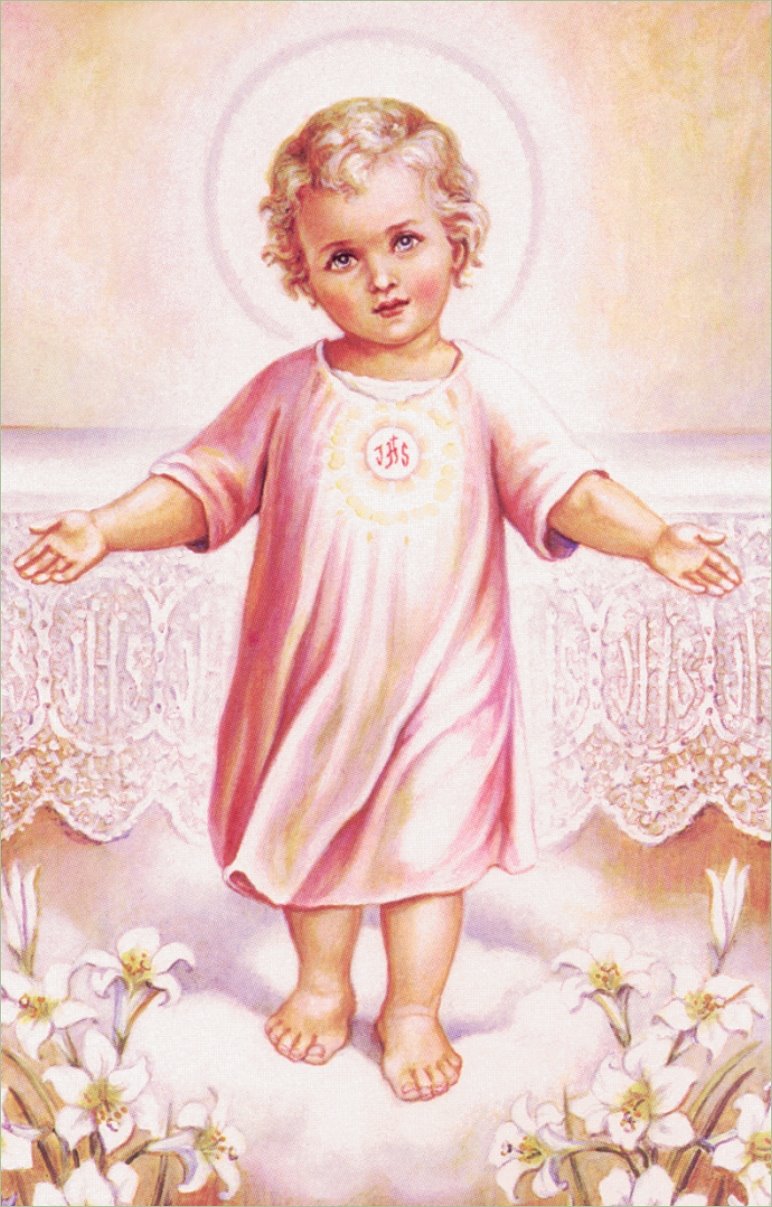
“Inseparable from the Gospel, for St. Thérèse the Eucharist was the sacrament of Divine Love that stoops to the extreme to raise us to him. In her last Letter, on an image that represents Jesus the Child in the consecrated Host, the Saint wrote these simple words: ‘I cannot fear a God who made himself so small for me! […] I love him! In fact, he is nothing but Love and Mercy!’ (LT 266).”
Pope Benedict XVI General Audience Wednesday, 6 April 2011
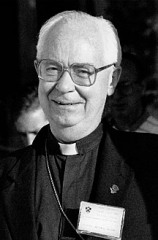
June 25 is the memorial of the death of a truly inspirational man, Bishop Austin Vaughan. My husband and I were inspired by Bishop Vaughan’s witness as a Bishop and as a pro-life leader. To learn more about Bishop Vaughan click here.
Bishop Austin Vaughan (1927-2000), Auxiliary Bishop of New York, who was arrested many times for peacefully praying and protesting in front of abortion facilities, wrote an article called “The Catholic Duty to be Pro-Life” in which he reflected:
“It is not an accident, I think, that in the Scriptures the first person, after Mary, who adored Jesus when he came into the world was St. John the Baptist…The second person who ever worshipped Jesus after Mary was an unborn baby and I think God made it that way to tell us in our day and age the worth and importance of every individual right from the very beginning of life.”
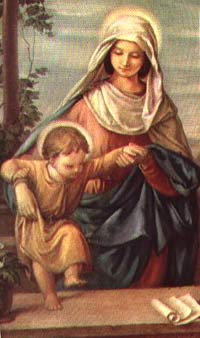
There is a beautiful teaching in Paul’s Letter to the Philippians about God’s peace:
“And the peace of God, which passes all understanding, will keep your hearts and your minds in Christ Jesus.” Phil 4:7
We find this peace first and foremost in the Person of Jesus Christ – even when He was an infant, a little baby. Just after the birth of John the Baptist, when Mary was just about 3 months pregnant, Zechariah (the father of newborn baby John) proclaims the future prophetic role of his baby son. Zechariah also speaks of a time “when the day shall dawn upon us from on high….to guide our feet into the way of peace” (Lk 1:78-79).
That day had surely begun to dawn in Bethlehem. And so the angel of the Lord and the heavenly host which appeared to the shepherds in the nearby fields, ended their proclamation with these words: “Glory to God in the highest, and on earth peace among men with whom he is pleased!” (Lk 2:14).
The shepherds go to the stable and worship the newborn Christ. Later the wise men come and worship as well. There is, in fact, a correlation between worshipping God and encountering the Peace of God.
After the shepherds left, Luke tells us: “But Mary kept all these things, pondering them in her heart” (Lk 2:19). The words and experiences were so deep and profound, that only her heart could touch them. Mary’s heart was at once, the vessel from which her worship poured forth and a receptacle for the breath of God’s Peace.
Mary was the first to touch that Peace of Christ which surpasses all understanding, or rather – the Peace of the Unborn Christ (and later newborn Christ) touched her, enveloped her pondering heart…guiding her “feet into the way of peace”…
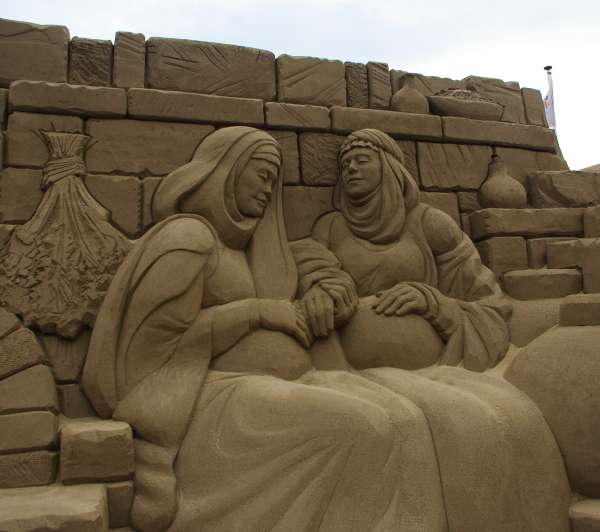
Visitation Sand Sculpture: Artist: Daniel Glover
“Let us imagine the Virgin’s state of mind after the Annunciation, when the Angel left her. Mary found herself with a great mystery enclosed within her womb; she knew something extraordinarily unique had happened; she was aware that the last chapter of salvation history in the world had begun.
But everything around her remained as before and the village of Nazareth was completely unaware of what had happened to her.
Before worrying about herself, Mary instead thought about elderly Elizabeth, who she knew was well on in her pregnancy and, moved by the mystery of love that she had just welcomed within herself, she set out “in haste” to go to offer Elizabeth her help. This is the simple and sublime greatness of Mary!”
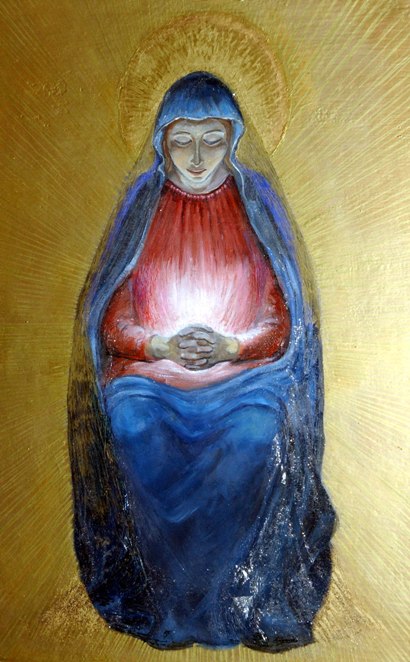
“In him was life, and the life was the light of men. The light shines in the darkness, and the darkness has not overcome it.” Jn 1:4-5
“And in that region there were shepherds out in the field, keeping watch over their flock by night. And an angel of the Lord appeared to them, and the glory of the Lord shone around them…” Lk 2:8-9
“…and lo, the star which they had seen in the East went before them, till it came to rest over the place where the child was.” Mt 2:9
“And as he was praying, the appearance of his countenance was altered, and his raiment became dazzling white…and they saw his glory…” Lk 9:29,32
“Again Jesus spoke to them, saying, ‘I am the light of the world…’” Jn 8:12
“Now as he (Paul) journeyed he approached Damascus, and suddenly a light from heaven flashed about him. And he fell to the ground and heard a voice saying to him, ‘Saul, Saul, why do you persecute me?’ And he said, ‘Who are you Lord?’” Acts 9:3-5
“For it is the God who said, ‘Let light shine out of darkness,’ who has shone in our hearts to give the light of the knowledge of the glory of God in the face of Christ.” II Cor 4:6
In our darkest moments, let us look for the glimmer of Christ’s light in our own hearts and in the lives of Christians around us, in the pregnant woman, in the manger, in the night sky, on the mountain top, even down the darkened meandering road….
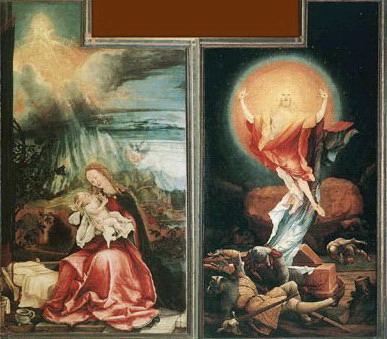
Isenheim Altarpiece (Mathis Grünewald, ca. 1515, oil on panel)
When Christ was born in Bethlehem, the angel of the Lord appeared in the sky over the nearby fields and addressed the shepherds: “…behold, I bring you good news of a great joy…”
When the three wise men finally saw the star of Bethlehem settle over the place where Christ and His parents were staying, “they rejoiced exceedingly with great joy”.
Three decades later, after the Last Supper and before they went to the Garden of Gethsemane, Jesus spoke in veiled terms about His quickly approaching death and subsequent resurrection. He gave his beloved disciples an image to help them understand: “When a woman is in travail she has sorrow, because her hour has come; but when she is delivered of the child, she no longer remembers the anguish, for joy that a child is born into the world” (Jn 16.21).
So the joy of the Resurrection is described by Jesus as being like the joy of bringing a newborn baby into the world! Perhaps, His mother had described to Him the joy she experienced when He was born. Perhaps Mary had told Him too, about the joyful message of the angel at Bethlehem and the joy of the three wise men.
The birth of a baby is an extraordinary event, one that changes many parents forever in a spiritual way as a bond of union forms naturally (and supernaturally) between parent and child. We might say that spiritual joy is a sign accompanying each child into this world, for all to experience with awe.
So too, the Resurrection of Jesus Christ!
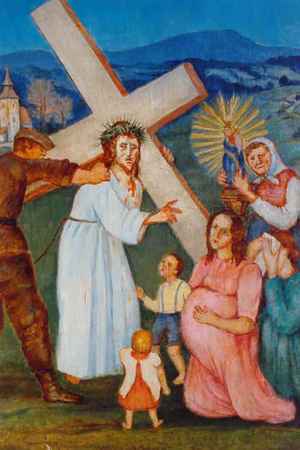
He would be a disciple of Jesus… “I believe; help my unbelief!” (Mk 9.24). Let us call him “the disciple of human struggle”, the disciple of our human weakness and striving. His words were spoken directly to Jesus in a moment of desperation.
God is All Good, we are good in small measures and irregularly. God is omniscient, we are ignorant and confused much of the time. God is omnipotent, we are consummate weakness. God is Love, we are self-centered much of the time, we like sometimes, we love imperfectly. But, “I believe Lord; help my unbelief!”
This is a cry of hope. “I hope Lord; help my hopelessness.” A cry for strength. “I have courage Lord, help my discouragement!”
And so, when a despondent, discouraged pregnant woman considers having her unborn child aborted, humanity senses her anguish though we have not walked in her steps. We sense her confusion and weakness. We sense too the prayer that she should try to make. “I believe Lord; help my unbelief! I am born Lord; but help my unborn!”
God help us to help her and in our world’s time of need to make this our prayer too. “We believe Lord; help our unbelief! We are born Lord; help our unborn!”
Filed under: Biblical Reflections
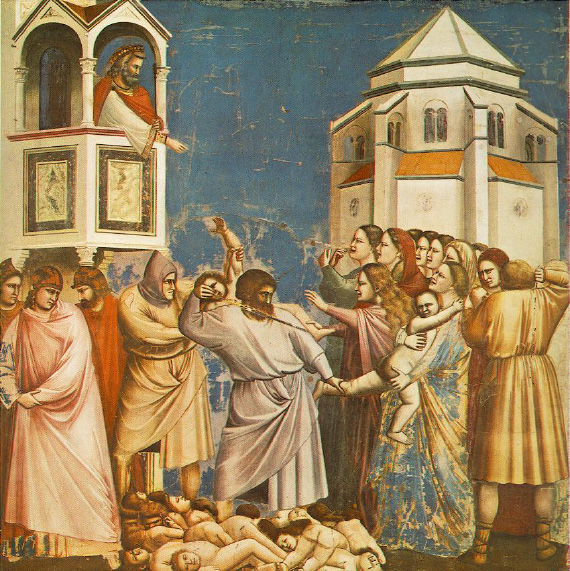
Let’s connect some Lenten dots by way of scriptural reflection and trace a sinister sequence of attempts to kill the Son of God, the Word of God – a connecting of black dots, each meant to end the sentence of the Word’s life on earth! Some spontaneous, others devilishly devised.
- First, and probably the most vicious of all – the crucifixion excepted – is Herod’s concerted effort to destroy the tiny newborn baby Jesus! We are all familiar with the story. The angel of the Lord warned Joseph: “…flee to Egypt …for Herod is about to search for the child to destroy Him” (Mt 2:13). Herod’s plans reach a rancid fruition just after Joseph flees by night with Mary and the newborn Jesus. Herod is “in a furious rage” and ordered the killing of “all the male children in Bethlehem and in all that region who were two years old or under” (Mt 2:16). These were the “Holy Innocents” killed in the very place of Jesus, because Herod suspected that each one of them might be the newborn King of the Jews. Each of these babies is an innocent martyr – a baby alter Christi. And there was mourning, the first attempt upon His life.
We know now that Herod helped inspire the paranoid “Planned Parenthood” mentality so common today, and that if he had had the opportunity to have Unborn Jesus aborted he would have done so instantly! Unborn Jesus, like any “unwanted” unborn baby, represents a threat to the status quo.
- We now fast forward about thirty years to the outset of our Lord’s public ministry. After Jesus was baptized by John, the Holy Spirit led Him out into the wilderness where He fasted for forty days. At the end of this period, the devil came to Him and tempted Jesus three times. The third deceitful temptation was a direct attempt upon the life of Jesus by the devil. They were on the pinnacle of the Temple in Jerusalem and the devil challenged Jesus: “If you are the Son of God, throw yourself down from here…” (Lk 4:9-12). Christ does not succumb and the devil leaves Him, but Luke observes “he departed from Him until an opportune time”. The second attempt upon His life.
- A little later Jesus returned to His hometown of Nazareth and went to the synagogue on the sabbath. He read a messianic prophesy from Isaiah and then explained that the text was being fulfilled in their midst. As he continued to speak the crowd became disenchanted: “…all in the synagogue were filled with wrath. And they rose up and put Him out of the city, and led Him to the brow of the hill on which their city was built, that they might throw Him down headlong. But passing threw the midst of them He went away” (Lk 4:28-30). The third attempt upon His life.
- One day, during the third year of His public ministry, Jesus was in the Temple in Jerusalem teaching, when things grew controversial. Surprisingly, He got into a debate with “the Jews who had believed in Him” (Jn 8:31). Finally, Jesus says to them: “Truly, truly, I say to you, before Abraham was, I am.” What did the Jews “who had believed in Him” do (along with others who didn’t believe in Him)? “So they took up stones to throw at Him; but Jesus hid himself, and went out of the temple” (Jn 8:57-59).The fourth attempt upon His life.
- Finally, it was wintertime, the feast of the Dedication and Jesus was in the Temple in Jerusalem at a spot called the portico of Solomon (Jn 10:22-23). He is challenged by the people and He gives a short answer, ending with: “I and the Father are one”. We read: “The Jews took up stones again to stone Him” (Jn 10:31, also 11:7-8), He speaks again, then they try to arrest Him but He “escaped from their hands” (10:39). The fifth attempt upon His life.
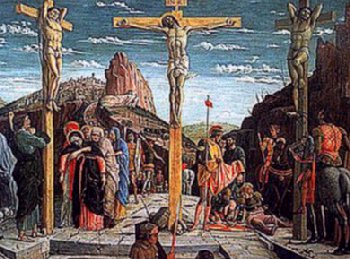
- We are all familiar with the sixth and final attempt upon our Lord’s life; His bloody Passion and crucifixion atop Golgotha! Jesus was targeted from infancy through adulthood. From the devil to His own countrymen, from political leaders to religious leaders, His innocence and authoritative teaching was difficult for sinners to bear. So too today, the innocence of the unborn baby and the “word” each would speak, is attacked by a self-absorbed hypocritical world that falsely champions human rights while daily plotting the deaths of the weakest among us.
Filed under: Biblical Reflections, Pro-life, Quotes from Great Christians, Saints
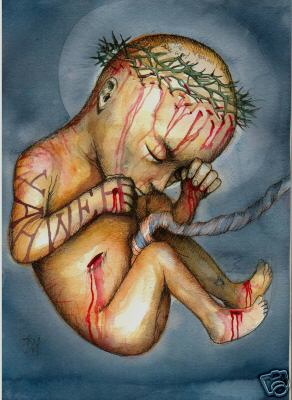
I recognize that not everyone will like this picture and I myself used it with some hesitancy. But it highlights a theme that quite a few saints and spiritual authors have written about which actually seems very relevant in our time (because of abortion), namely that Christ’s time in the womb was a time of suffering for our sins. Here are four quotes for our Lenten meditation:
Salvation to all that will is nigh;
That All, which always is all everywhere,
Which cannot sin, and yet all sins must bear,
Which cannot die, yet cannot choose but die,
Lo, faithful virgin, yields Himself to lie
In prison, in thy womb… John Donne, The Annunciation
“The third characteristic then of the obedience of Christ is that it was tried by suffering and humiliations. To accomplish the Will of His heavenly Father, the Infant Christ, with the full use of every faculty, consented to be enclosed for nine months in the dark prison of His Mother’s womb. Other infants feel not this privation as they have not the use of reason, but Christ had the use of reason and must have dreaded the confinement in the narrow womb, even of her whom He had chosen to be His Mother.
Through obedience to His Father, and from the love He bore to man, He overcame this dread, and the Church says: ‘When Thou didst take upon Thee to deliver Man, Thou didst not abhor the Virgin’s womb.’ Again, our dear Lord needed no small amount of patience and humility, to assume the manners and the weaknesses of a child, when He was not only wiser than Solomon, but was the Man ‘in Whom are hid all the treasures of wisdom and knowledge.’ ” St. Robert Bellarmine, The Seven Words on the Cross
“Consider the painful life that Jesus Christ led in the womb of his Mother, and the long‑confined and dark imprisonment that he suffered there for nine months. Other infants are indeed in the same state; but they do not feel the miseries of it, because they do not know them. But Jesus knew them well, because from the first moment of his life he had the perfect use of reason….The womb of Mary was therefore, to our Redeemer a voluntary prison, because it was a prison of love. But it was also not an unjust prison: he was indeed innocent himself, but he had offered himself to pay our debts and to satisfy for our crimes. It was therefore only reasonable for the divine justice to keep him thus imprisoned, and so begin to exact from him the due satisfaction.
Behold the state to which the Son of God reduces himself for the love of men, he deprives himself of his liberty and puts himself in chains, to deliver us from the chains of hell.” St. Alphonsus de Liguori,The Incarnation, Birth and Infancy of Jesus Christ
“He was filled with compassion for all the miseries of creation, and this never left Him henceforward; and most of all did He feel for sin, the greatest and the truest of our miseries, and He distinctly and separately pitied the sins of each one of us in particular.
…He surrendered Himself as a prisoner in His Mother s womb, for crime, for debt, and as a prisoner of war, as if He were a delinquent threefold by all those three liabilities. He only left His prison to suffer and to expiate, and it seems as though He loved it so, that He repeats His state of imprisonment in the Blessed Sacrament.” Father Faber, The Blessed Sacrament
When I think of Christ suffering in the womb for our sins it gives me great hope. Hope that He has obtained for us a special grace during His time of suffering in the womb – a grace that will enable us to overcome abortion in our time.
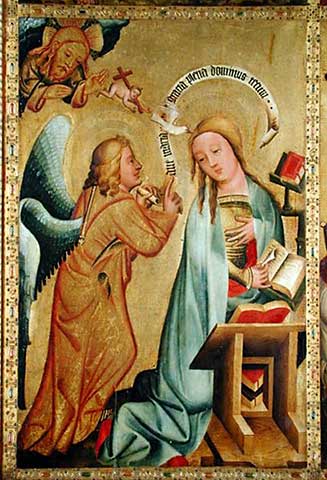
The Annunciation from the High Altar of St. Peter’s in Hamburg, the Grabower Altar, 1383 Master Bertram of Minden
The message of Psalm 85 is Messianic.
“Near indeed is salvation for the loyal…
Love and truth will meet;
justice and peace will kiss.
Truth will spring from the earth;
justice will look down from heaven.”
A note in the New Jerusalem Bible concerning these latter verses of the Psalm explains: ‘Personified attributes of God; these will inaugurate the kingdom of God on earth and in human hearts.’
Indeed, we can contemplate this verse in terms of the glorious Incarnation of Jesus Christ; in which the exquisite nobility of Heaven truly kisses our humble earth.
‘Truth will spring from the earth’, reminds us that Adam was created from the slime of the earth, but now in Mary – his descendant and a mere creature, yet immaculately conceived – ‘truth’ springs to life awaiting the salvation and justice of God. The love of God and the ‘truth’ of His creation (in the person of Mary) “will meet”.* And ‘justice’ will not only ‘look down from heaven’, but will send Gabriel down from heaven….and then the ‘Holy Spirit will come’ down from heaven and overshadow Mary. ‘Justice’, according to the Divine Plan of Salvation will come down from heaven.
In the very conception of Jesus Christ, at the very first cell of His earthly life as a human being, True God and true man; Love and Truth meet, Justice and Peace kiss.
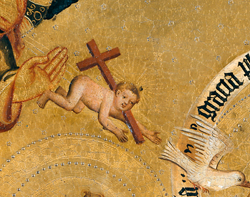
* Yes, Christ is “The way, the truth and the life”. Mary as the ‘truth’ of creation, is but a humble reflection of the glorious Truth that is Jesus Christ, and she embraces His truth within her body (as Mother) and within her heart (as 1st believer), and even testifies to His awesome truth (as 1st disciple); “My soul magnifies the Lord, and my spirit rejoices in God my Savior…” (Lk 1:46-47). Mary as ‘truth’ in creation magnifies the Eternal and glorious Truth of our Creator!
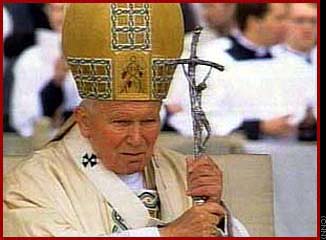
In the Gospel of Life (Evangelium Vitae), John Paul II presents a powerful and prophetic teaching in defense of human life. Nowhere is this more evident than in Section 57 of the encyclical. Could the following be anything but an infallible and definitive teaching?
“Therefore, by the authority which Christ conferred upon Peter and his Successors, and in communion with the Bishops of the Catholic Church, I confirm that the direct and voluntary killing of an innocent human being is always gravely immoral. This doctrine, based upon that unwritten law which man, in the light of reason, finds in his own heart (cf. Rom 2:14-15), is reaffirmed by Sacred Scripture, transmitted by the Tradition of the Church and taught by the ordinary and universal Magisterium. ” (Footnote 51: LG 25) Evangelium Vitae, 57
The footnote references the Vatican II document, Lumen Gentium, point 25. Point 25 talks about Papal Infallibility.
See also Section 58 of The Gospel of Life below which elaborates on this strong teaching in Section 57.
“The deliberate decision to deprive an innocent human being of his life is always morally evil and can never be licit either as an end in itself or as a means to a good end. It is in fact a grave act of disobedience to the moral law, and indeed to God himself, the author and guarantor of that law; it contradicts the fundamental virtues of justice and charity. “Nothing and no one can in any way permit the killing of an innocent human being, whether a fetus or an embryo, an infant or an adult, an old person, or one suffering from an incurable disease, or a person who is dying. Furthermore, no one is permitted to ask for this act of killing, either for himself or herself or for another person entrusted to his or her care, nor can he or she consent to it, either explicitly or implicitly. Nor can any authority legitimately recommend or permit such an action“. Evangelium Vitae, 58
Here is how most people celebrate their birthdays!

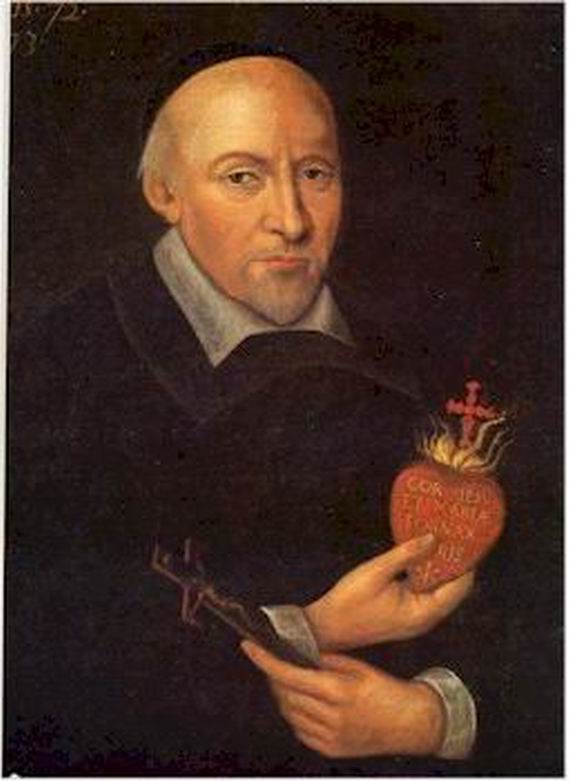
But the great St. John Eudes didn’t look at it quite like that and wrote an extremely lengthy prayer for Christians to recite on their birthdays. Here are a few excerpts:

Prayer to Jesus for the Anniversary of Your Birth
“O Jesus, I adore Thee in Thy eternal birth and Thy divine dwelling for all eternity in the bosom of Thy Father. I also adore Thee in Thy temporal conception, and in Thy presence in the sacred womb of Thy most pure mother, for the space of nine months, and in Thy birth into this world at the end of that time. I adore and revere the great and admirable occurrence of these mysteries…
Again I adore and glorify Thee, O Good Jesus, as performing all these things for Thyself, and for me and for everyone in the world. On this anniversary of my birth I give myself to Thee, O my Dear Jesus, that I may now repeat the acts Thou didst perfect while dwelling from all eternity in the bosom of the Father, and for nine months in the womb of Thy mother…
Such, O my Lord, is the rightful homage I ought to have rendered to Thee, had I been able, at the moment of my birth, and indeed from the first moment of my life, that I now endeavor to render to Thee, although very tardily and imperfectly…
In Thy temporal birth, Thou didst render for me to Thy Father all the rightful homage I should have rendered Him at my own birth, and Thou didst then practice all the acts and exercises of devotion that I should have practiced. Be Thou blessed for ever!”
St. John Eudes, The Life and the Kingdom of Jesus in Christian Souls
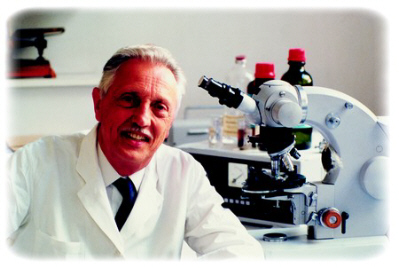
“At the true age of one month, a human being is four and a half millimeters long. Its tiny heart has already been beating for a week, its arms, legs, head, brain are already recognizable. At two months old, from head to the tip of its bottom, the human embryo is about three centimeters long. It could fit curled up inside a walnut shell. Inside a clenched fist, it would be invisible, and the clenched fist would crush it accidentally without even noticing.
But open your hand, the embryo is almost complete, hands, feet, head, organs, brain, everything is in its place and from now on will merely grow. Look more closely , you can already read the life lines in its palms and predict its good fortunes. Look closer still, with an ordinary microscope, and you can see its fingerprints. Everything is already there and it would be possible to issue its identity card.”
“The incredible Tom Thumb, the man no bigger than my thumb, actually exists ; not the one in the fairy tale, but the one which every one of us once was.”
Quote from: Dr. Jerome LeJeune (the great pro-life scientist who discovered the cause of Down Syndrome)
Filed under: Biblical Reflections
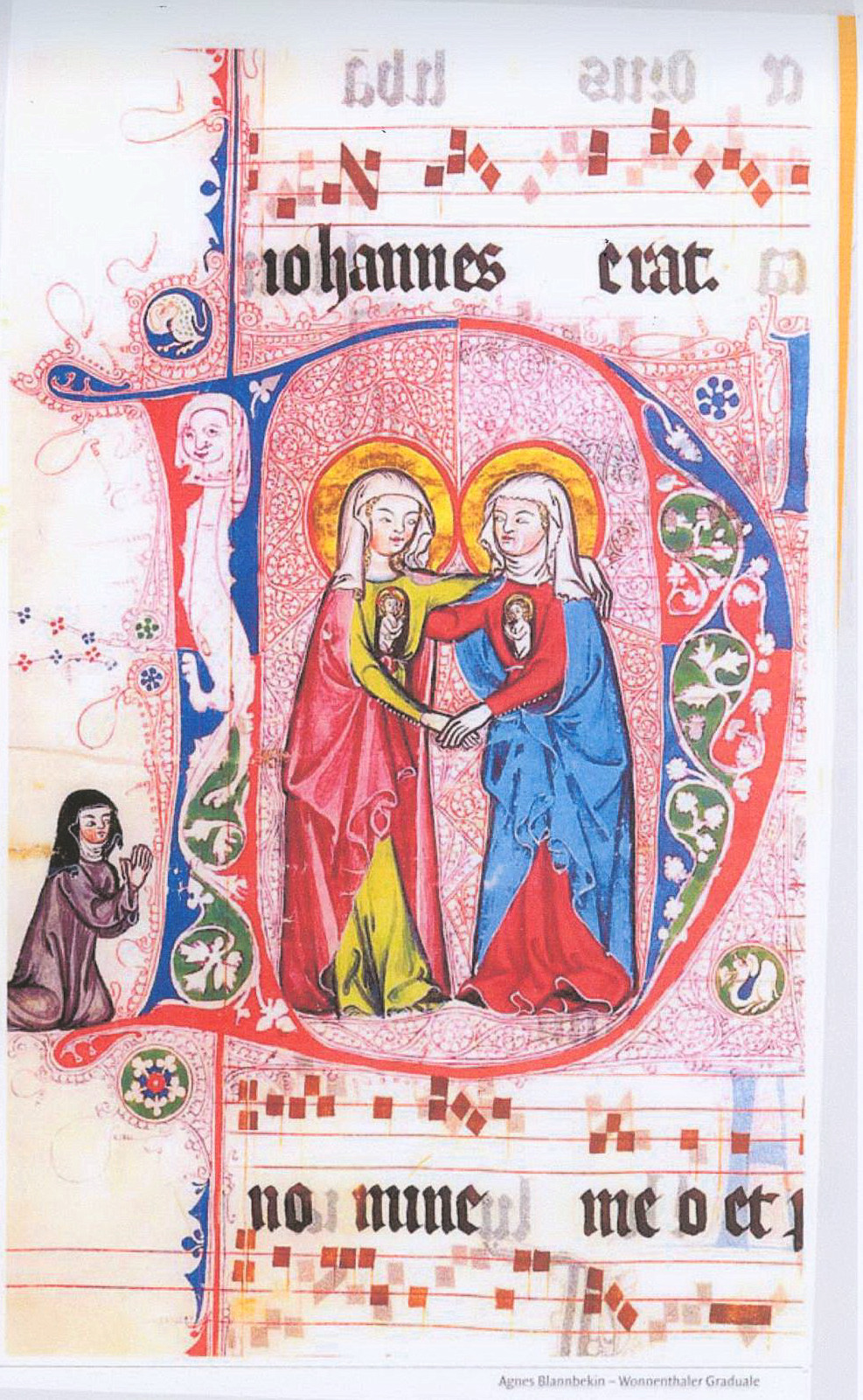
Visitation, Initial D in the Gradual: originally from Wonnental Abbey, a Cistercian abbey that was founded in1248 and dissolved in 1807.
Our Blessed Mother is recorded speaking only 7 times in the Bible. These are often referred to as the 7 words of Mary. 1st Word: (How shall this be done?) 2nd Word: (Behold the Handmaid of the Lord) 3rd Word: (Her Salutation to Elizabeth) 4th Word: (The Magnificat) 5th Word: (Son, why hast Thou done so to us?) 6th Word: (They have no wine.) 7th Word: (Do whatever He tells you.)
A reflection by Mother St. Paul on the 4th Word of Mary: The Magnificat
“As soon as Elizabeth has finished “crying out with a loud voice ” her praise of Mary and of Jesus, and of the benefits God has wrought for herself and her son, Mary speaks, and in the longest of her recorded “words “ gives vent to the thoughts pent up in her breast. She at once closes the door against any praise given to herself: “My soul doth magnify the Lord” He it is Whom we must praise and make much of; “and my spirit hath rejoiced in God my Savior”; Mary understands what it is that is making her so full of joy. It is the presence of Jesus her Savior. She has Him within her…”
“The name that St Bernardine gives to Mary s fourth word is “Flamma amoris jubilantis” (A Flame of Joyful Love); Her love for God was so strong that it made her burst out into this joyful song of praise. She could no longer keep to herself all that God had done to her ; she must tell others ; she was so full of joy that she must sing God’s praises. And all her love and joy found expression in the Magnificat a song of thanksgiving for the Incarnation a song which showed clearly that Mary’s joy was caused by the glory that was given to God by the Incarnation.
All through those blessed three months during which Mary abode with Zachary and Elizabeth, she was singing Magnificat. All through her life she sang Magnificat, even though she was the Mother of Sorrows, for the thought of God’s glory ever lifted her out of herself and made her praise Him for all He did. It was because Mary had said her Fiat that she could say her Magnificat….”
Mother St. Paul, Mater Christi, pp 35-38
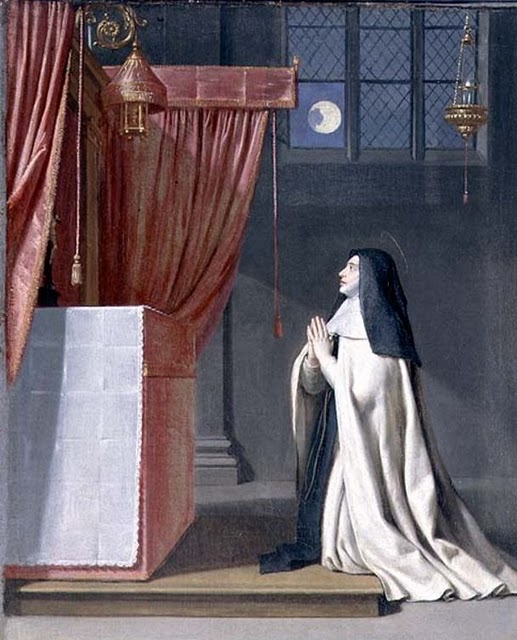
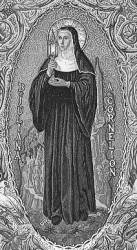
The Vision of St. Juliana (1191-1258) of Mont Cornillon (about 1645/50)
Philippe de Champaigne 1602 – 1674
You may have never heard of St. Juliana of Cornillon (Juliana of Liege), 1192 -1258. She was an Augustinian nun who was the first promoter of a feast day in honor of the Blessed Sacrament. In his November 17, 2010 audience Pope Benedict spoke eloquently about St. Juliana.
“The Pope explained how the Belgian saint “possessed great culture, … and a profound sense of the presence of Christ, which she experienced particularly intensely in the Sacrament of the Eucharist”. At the age of sixteen she had a vision which convinced her of the need to establish a liturgical feast for Corpus Christi “in which believers would be able to adore the Eucharist so as to augment their faith, increase the practice of virtue and mend the wrongs done to the Blessed Sacrament”, said the Holy Father. Click here to read more.
What many people don’t know is that she also had a profound devotion to Christ in His Blessed Mother’s womb. Here is an excerpt from a book about her life written in 1873 detailing this devotion.
“She had also a great devotion for the feasts of our Lady, but of all her feasts, the one she celebrated with most ardent devotion and piety was the feast of the Annunciation. It seemed as if she could never cease from meditating upon and admiring the celestial simplicity of the words of the angel Gabriel; the trouble that his salutation at first gave to Mary, the consent that she gave to become the Mother of God, the profound humility, the more than angelic modesty, and the ardent love, our Blessed Lady displayed upon this occasion.
At the thought of the Eternal Word descending from the bosom of His Father, and becoming man for love of us, her heart became so inflamed with love, that it seemed to her she could no longer contain it within her breast…
A devotion that she frequently recommended to the other religious, was to recite the ” Ave Maria,” and the canticle ” Magnificat,” nine times every day, in honour of the nine months our Lord dwelt in the womb of His ever Blessed Mother; and she assured them that she was indebted to the practice of this devotion for many favours and graces she had obtained from heaven.
When ever she recited or sung the “Magnificat,” she was accustomed to contemplate the fatigues our Blessed Lady suffered in her journey from Nazareth to the house of her cousin Elizabeth. She then considered the tender embraces of those two women so beloved by God, the joy with which St. John the Baptist leaped in the womb of his mother, at the approach of Mary, who bore his Saviour within her womb; then she meditated upon their holy salutations and the thanksgivings they afterwards rendered to God.”
From: The Life of St. Juliana of Cornillon by Brother George Ambrose Bradbury, O.C. 1873. pp 24-25
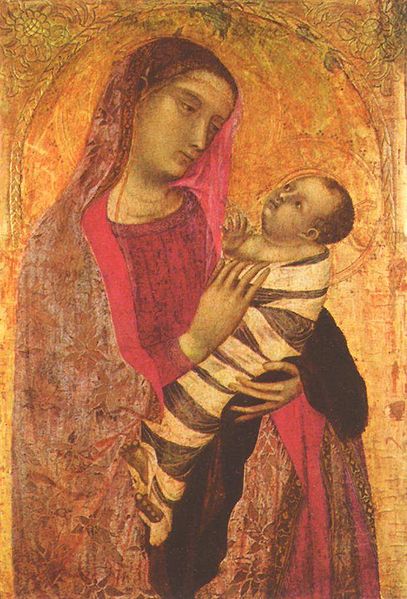
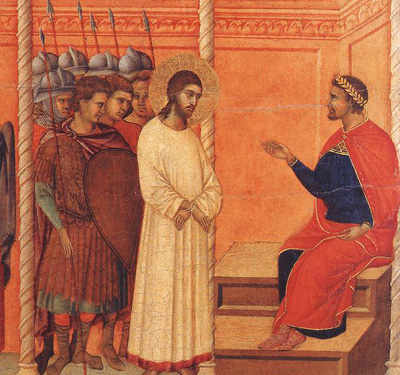
“It goes without saying that in the small kingdom that was the home, the wife was queen….Her importance was all the greater since…a great many things that we buy in shops or factories were produced at home. Cloth, for instance, was spun and woven in the house. ”
“To a large extent clothing was home-made, too: the excellent wife of Proverbs :busies herself with wool and thread, holding the distaff and the spindle.” Daily Life in the Time of Jesus by Henri Daniel-Rops pp. 150-51, 275
A Pictorial History of Mary Sewing
The Child Mary Learning to Sew
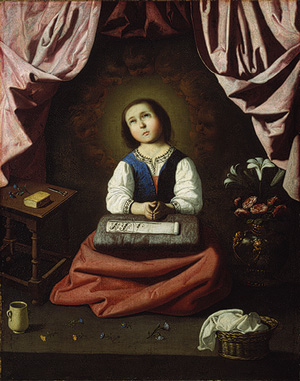
The Young Virgin, ca. 1632–33, Francisco de Zurbarán
According to medieval legend, as a girl the Virgin Mary lived in the Temple in Jerusalem, where she devoted herself to praying and sewing vestments, the subject of Zurbarán’s painting, executed about 1632–33.
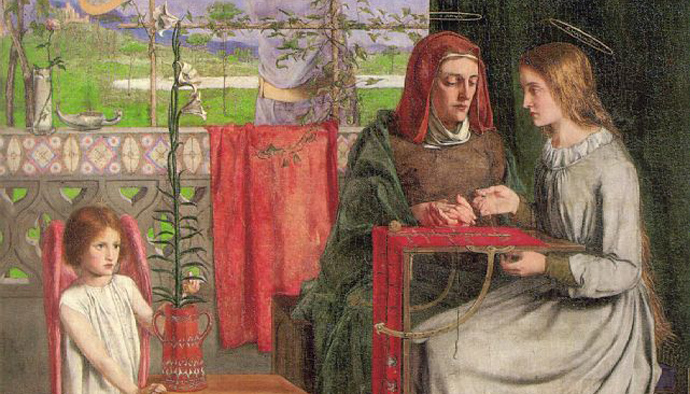
The Girlhood of Mary Virgin by Dante Gabriel Rossetti
“I have represented the future Mother of Our Lord as occupied in embroidering a lily,—always under the direction of St. Anne; the flower she is copying being held by two little angels.” Dante Gabriel Rosetti

Saint Anne and the young Virgin sewing, fresco by the Master of the Bambino Vispo, Museo dell’Opera di Santa Croce
Mary Preparing for Christ’s Birth
Here are a number of paintings where Mary is sewing while she is expecting the Unborn Christ Child – we can imagine that she was sewing His swaddling and baby clothes
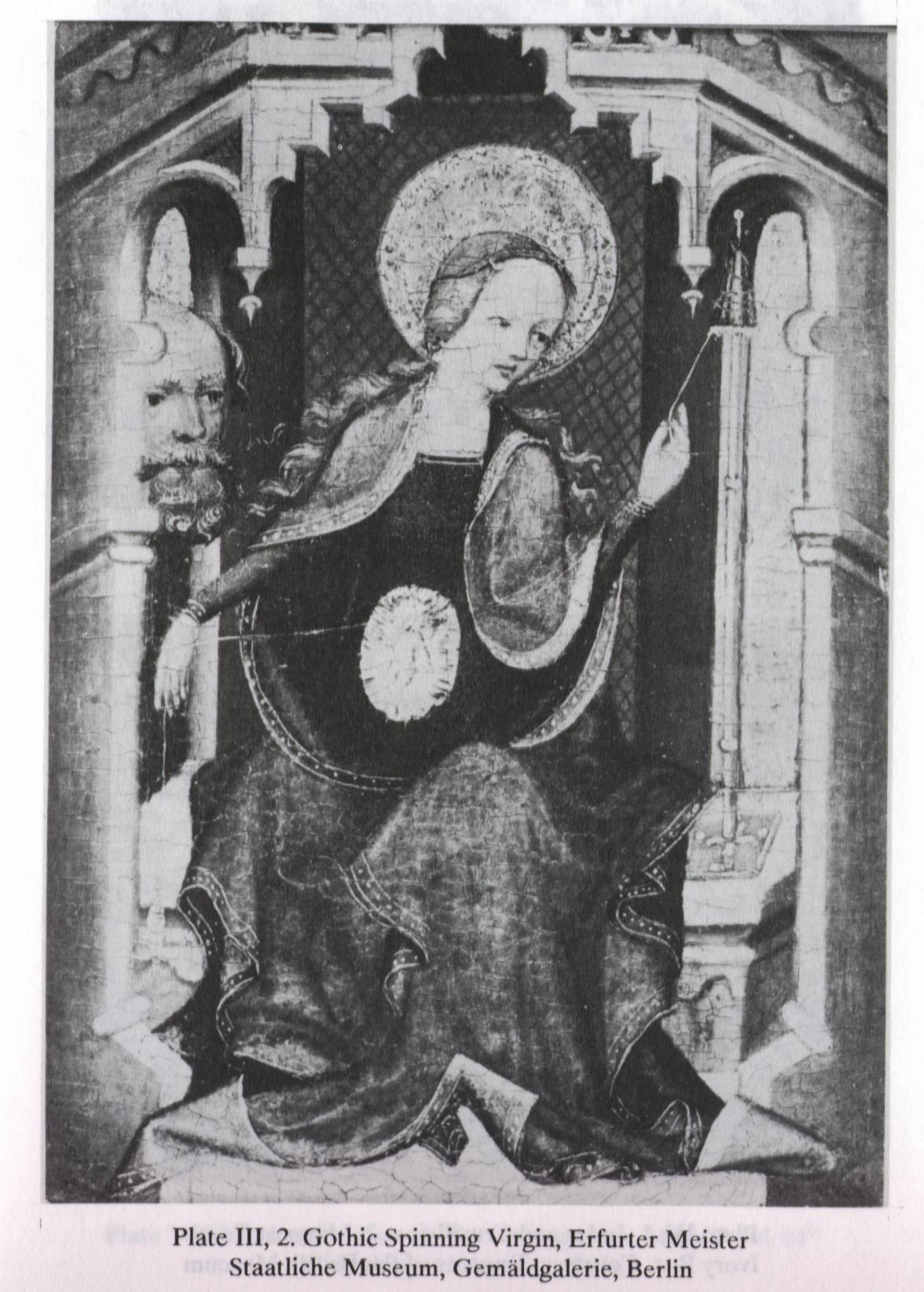
Romanesque Spinning Virgin, Catalan Fresco, Museu d’Art de Catalunya, Barcelona
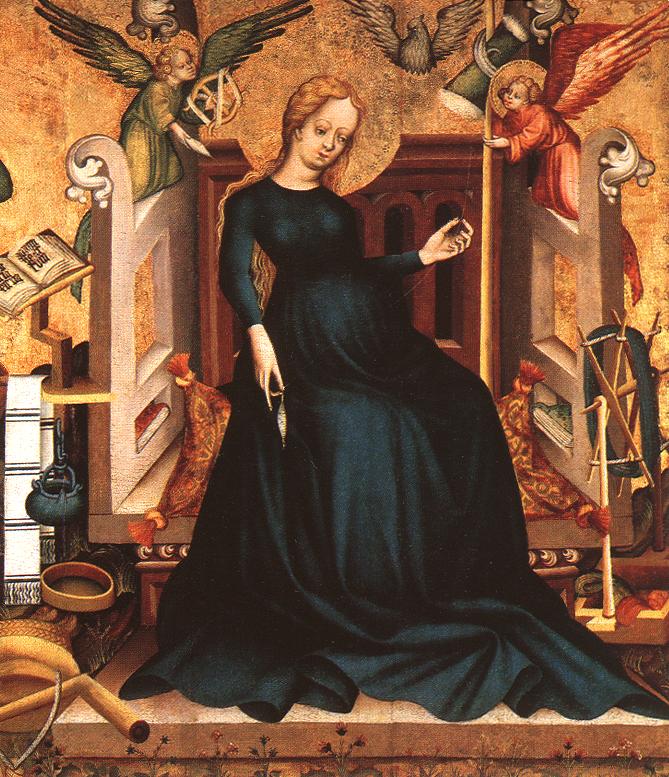
The Virgin at the Spinning Wheel (Hungarian, unknown artist)
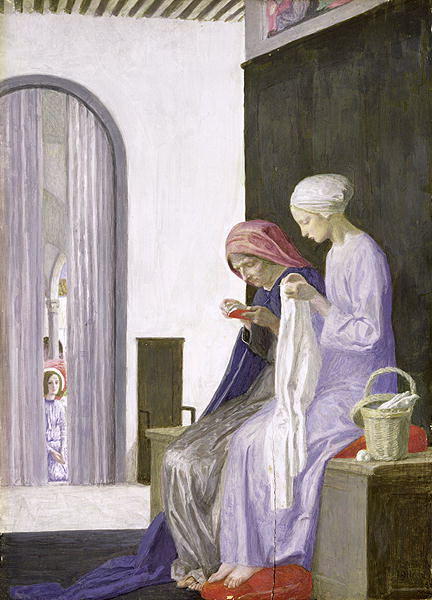
Mary In the House Of Elizabeth Robert Anning Bell (sewing baby clothes for John the Baptist)
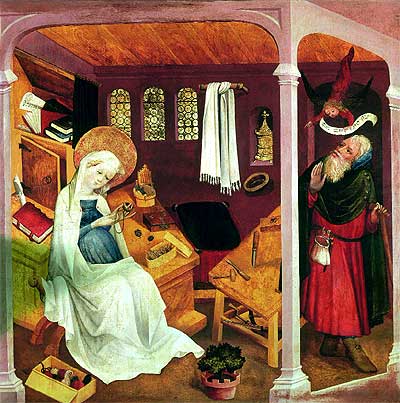
Mary Spinning with Joseph before the Birth of Jesus, Strasbourg, Musee de Notre-Dame I’Oeuvre, inv 1482
The Virgin is occasionally depicted knitting a garment, thought to represent the seamless garment worn by Christ (John 19:23). This seamless garment that the guards casts lots for beneath the cross was likely given to Jesus as a gift from his mother, since it was customary for Jewish mothers to make such a garment for their sons as a last gift before they entered the world on their own. Here are 2 representative paintings of this type of Knitting Madonna sewing the seamless garment.
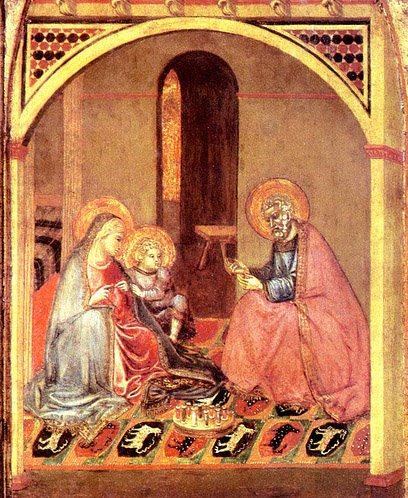
The Holy Family by Ambrogio Lorenzetti, c. 1345

Detail from the right wing of the Buxtehude Altar by Bertram von Minden, 1400-1410
 UNBORN WORD of the day