Filed under: The Incarnation
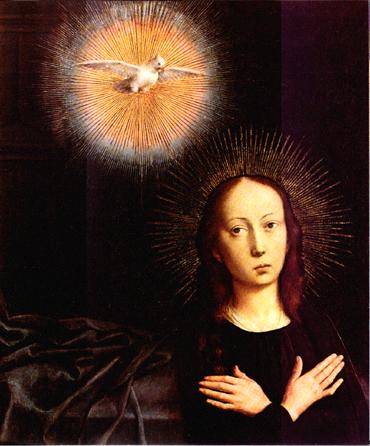
“The conception and birth of Jesus Christ are in fact the greatest work accomplished by the Holy Spirit in the history of creation and salvation…”Pope John Paul II , The Holy Spirit in the Life of the Church and the World (#50)
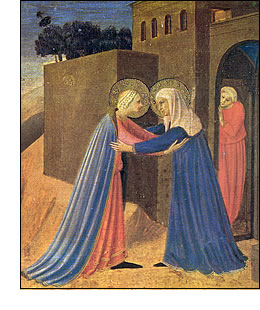
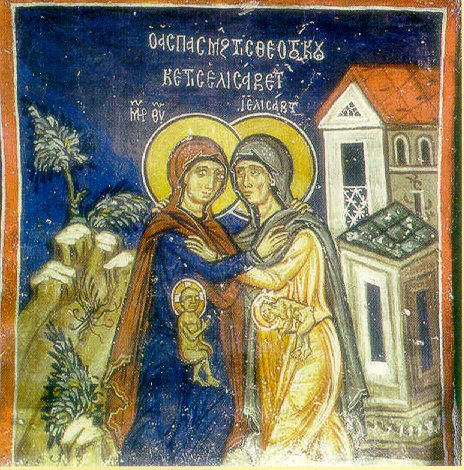
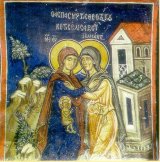
“John was “filled with the Holy Spirit even from his mother’s womb” by Christ himself, whom the Virgin Mary had just conceived by the Holy Spirit. Mary’s visitation to Elizabeth thus became a visit from God to his people.” Catechism of the Catholic Church (717)
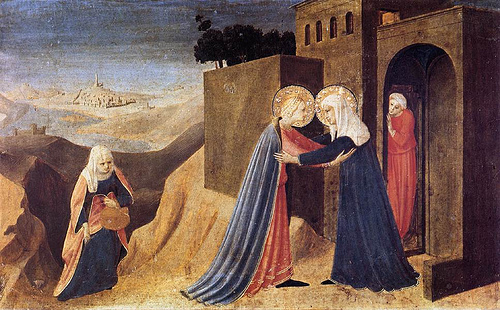
In the Visitation episode, St Luke shows how the grace of the Incarnation, after filling Mary, brings salvation and joy to Elizabeth’s house. The Saviour of men, carried in his Mother’s womb, pours out the Holy Spirit, revealing himself from the very start of his coming into the world…. St Luke also seems to invite us to see Mary as the first “evangelist”, who spreads the “good news”, initiating the missionary journeys of her divine Son. Pope John Paul II, General Audience, , October 2, 1996
In assuming human nature he has united to himself all humanity in a supernatural solidarity which makes of it one single family. Vatican II, Decree on the Apostolate of the Laity (#8)
October is Respect Life Month in the U.S. Catholic Church. Each year the bishops choose a different theme for this special month. Cardinal Justin Rigali – Chairman, USCCB Committee for Pro-Life – explains this year’s theme in his Statement for Respect Life Sunday, 2007.
“The theme of the 2007 Respect Life Program – The Infant in My Womb Leaped for Joy – calls to mind an extraordinary scene in Luke’s Gospel (1:39-56). Mary, newly pregnant with the Lord Jesus, is visiting her elderly cousin Elizabeth whose son, John, will soon be born. The moment Mary’s greeting reaches Elizabeth’s ears and John’s, the tiny prophet announces to his mother the Messiah’s arrival, as if his entire being were exclaiming: Behold! The Lamb of God! There was no confusion as to what and who were nestled under their mothers’ hearts. Yet 2,000 years later, many well-educated people do not know – or claim they do not know – the truth about human life before birth.”
In their 2007-2008 Respect Life Program Flyer they explain further:
“Elizabeth, too, is filled with the Holy Spirit, and recognizes Mary as the blessed tabernacle of our Lord and Savior. Through the evangelical witness and sacrificial love of Mary, Jesus and John, the work of our salvation has begun.”
For more information about this program:
2007-2008 Respect Life Program
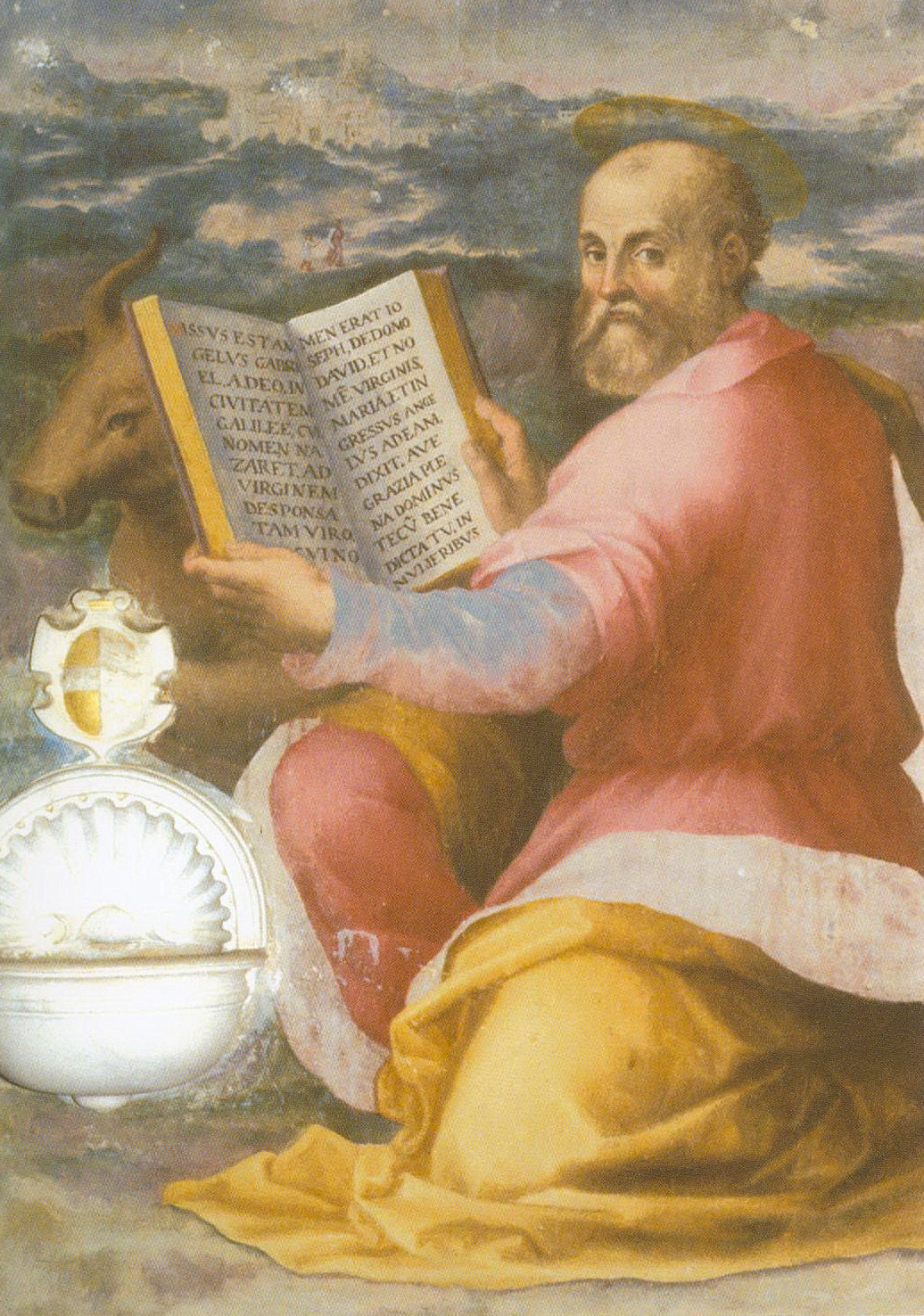
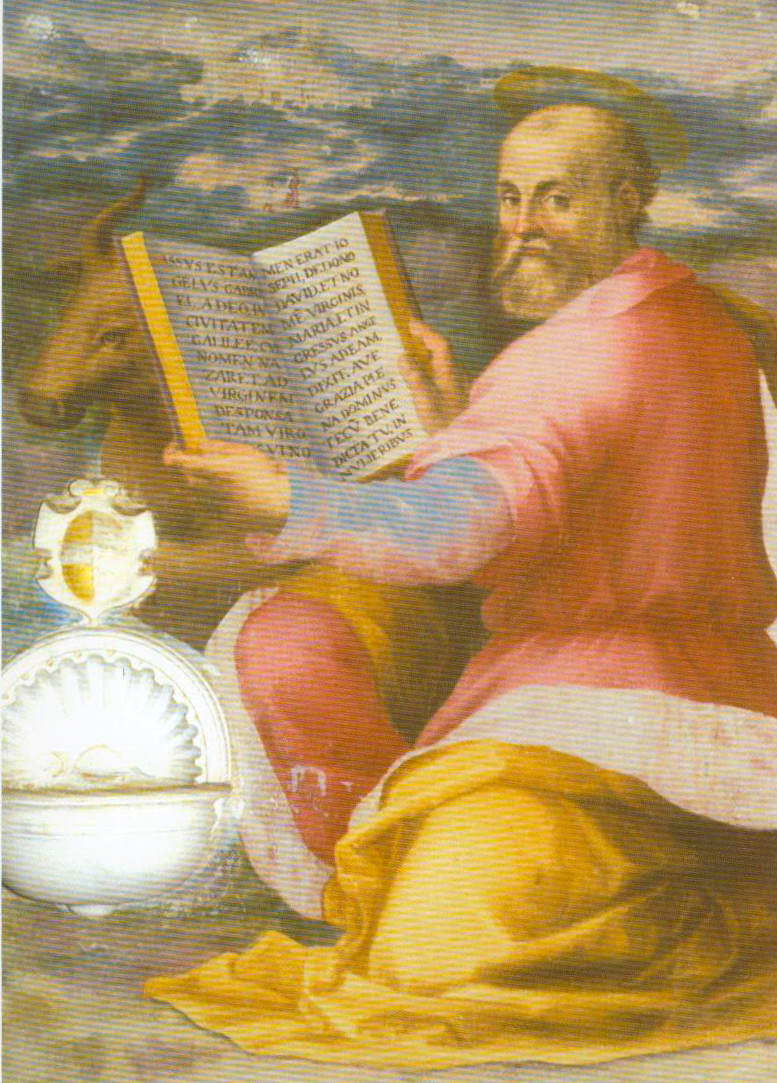
Michele Tosini (1503-77) St. Luke
October 18 is the feast day of St. Luke.
In chapters One and Two of the Gospel of St. Luke we have 127 verses of narrative concerning the infancy and childhood of Jesus Christ and mysteries surrounding His infancy (Lk 1:5 – 2:52). These verses are unique to Luke and outline the earliest vignettes known about the childhood of Jesus Christ. The verses restricted to the infancy period are slightly less: 114 verses (Lk 1:5 – Lk 2:39).
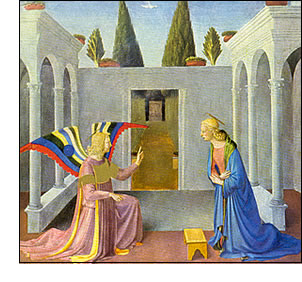
The extraordinary account of the Annunciation to Mary by the Archangel Gabriel, for example, is presented only in Luke and no where else. Likewise, the remarkable Visitation event (and Magnificat “song”) and Bethlehem birth saga are Lukan treasures only. Which might lead us to wonder how would Christianity be different if there was no Luke? Would we celebrate Christmas? (Matthew also provides 47 verses of invaluable introductory information as well concerning Mary, Joseph and Jesus, before and after the birth. Mt 1:18 – 2:23)
We are indebted to Luke in a thousand ways, but especially for the first two chapters of his Gospel which are in a way a “prologue”, comparable to the famous “Prologue” to the Gospel of John (Jn 1:1-18): “In the beginning was the Word, and the Word was with God…” But while the Prologue of John is about Mysteries and realities concerning the Word Incarnate, this “prologue” of Luke’s is focused on biological and historical events which reveal the Child Incarnate. While John is mystical, Luke is highly personal yet supernatural. All of this is to say that, the Incarnation Mystery of faith is so wondrous, that we need both Luke and John to unfold for us its beauty and reality. We can listen to John’s Prologue and see it with the eyes of the heart, but Luke’s we visualize all in fabulous images.
But it is only Luke who reveals to us the babyhood of Jesus and the attendant mysteries thereto. Luke is one of the Church’s great “Pro – Life” saints! There is no way around it. He alone tells of the conception of Jesus Christ, paints for us the tender mother who opens up her heart and soul to God’s plan and Spirit, then recounts the mysterious encounter between pregnant mothers and unborn children and finally recounts in all its poverty and glory the birth of humankind’s Savior in a manger.
St. Luke we thank you for the little details you carefully recorded about our Savior’s first nine months in the womb and then in the manger. You, St. Luke, have brought more tears of joy to human eyes than any other author in human history. You have revealed to us the mother of the baby Jesus and have transported us in our thoughts to kneel beside the beasts and shepherds, beneath the angels’ meditative gaze. It was first your descriptive words which gave rise to those Christmas hymns we sing now that cause our hearts to bow down in adoration again.
St. Luke, when we see you in heaven, we will get in that very long reception line of pro-life Christians who want to shake your hand, the hand which wrote down the sacred events of our Savior’s babyhood, events which gave us hope for all our earthly days.
George A. Peate, Unborn Word Alliance
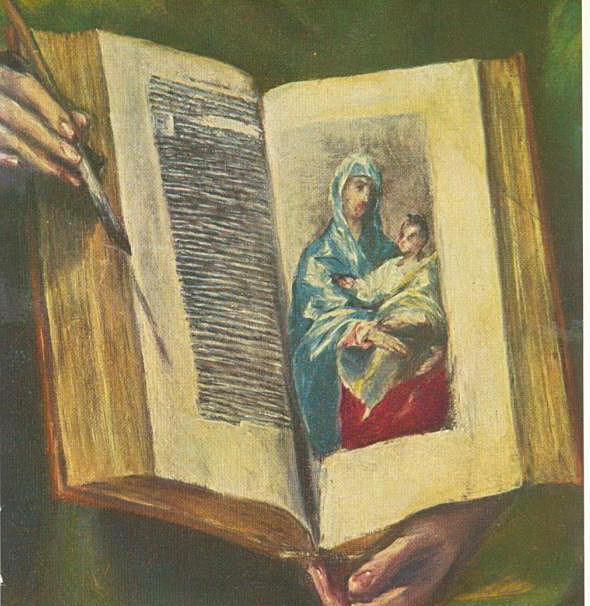
El Greco (1541-1614) St. Luke (detail)
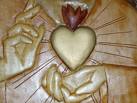

Today, October 16 is the feast day of St. Margaret Mary who was the Apostle of the Sacred Heart of Jesus. (Mt 11:28-30)
Pope Pius XI in his Encyclical on Reparation To the Sacred Heart, (#2) explained how this devotion helped end the heresy of that time, Jansenism.
“As formerly Divine Goodness wished to exhibit to the human race, as it came from the Ark of Noe, a sign of the renewed covenant between them . . . so in our own troubled times, while that heresy held sway which is known as Jansenism, the most insidious of all heresies, enemy of the love of God and of filial affection for Him – for this heresy preached that God was not so much to be loved by us as a Father as to be feared as an unrelenting Judge – the most kind Jesus manifested to the nations His Sacred Heart .”
Today we need God’s love and help in fighting the most insidious heresy of our time – abortion. That is why Unborn Word of the day is dedicated to honoring the Unborn Christ Child. By honoring the 9 months Christ spent in Mary’s womb we want to show God’s love for and solidarity with each unborn child.
Because He completely identifies with all unborn children, indeed is one of them, when we lift up and exalt Unborn Jesus, in a real sense we lift up all unborn children with Him. Him we honor as God, they we honor as children created in His image and likeness, and for His glory.
We believe that just as the devotion to the Sacred Heard helped end the heresy of Jansensim – devotion to the Unborn Christ Child can help end abortion.
Filed under: Saints
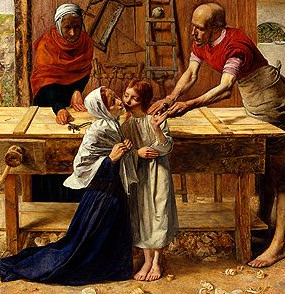
I have carved you in the palm of my hand (Isaiah 49:16)
Today, October 15 is the feast day of St. Teresa of Avila. In their book, Miracles of the Christ Child, Bob and Penny Lord recount this story of the Christ Child and St. Teresa of Avila:
“Teresa had such a great love of the Child Jesus that one day, as she was preparing to ascend stairs leading to the upper rooms of the convent she met a beautiful child. He asked her “Who are you?” She replied, “I am Teresa of Jesus, and who are you?” To which the child responded, “I am Jesus of Teresa.”
They say that encounter with the Lord, as a child, affected her so deeply, after that, when Saint Teresa set out to found a new house (she founded eighteen in all) she always brought a statue of the Child Jesus with her.”
Filed under: Evangelium Vitae

Here is a quote from John Paul II’s encyclical Evangelium Vitae:
“I look with renewed confidence to every household and I pray that at every level a general commitment to support the family will reappear and be strengthened, so that today too – even amid so many difficulties and serious threats – the family will always remain, in accordance with God’s plan, the “sanctuary of life”.
To all the members of the Church, the people of life and for life, I make this most urgent appeal, that together we may offer this world of ours new signs of hope, and work to ensure that justice and solidarity will increase and that a new culture of human life will be affirmed, for the building of an authentic civilization of truth and love.” Point #6
Here are links put together by Michael Roderick at Kanawha County Right to Life to some of the groups working to offer new signs of hope.

Filed under: The Incarnation
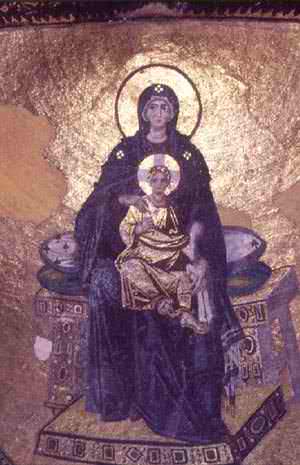
Today October 11 is the feast day of the Maternity of Our Lady:
Unimaginable beforehand, incomprehensible afterward: the Incarnation is a glorious crowning to all of human history.
In a reversal of the creation of Eve from Adam’s side, here Mary could say on behalf of all humanity: “The Son of God is bone of our bone, and flesh of our flesh!” (Catechism Of The Council Of Trent For Parish Priests, (1934), pg.48)
By divine intervention Mary’s maternity marks the beginning of the new creation in Christ (II Cor.5:17, Rev.21:5)
Filed under: Evangelium Vitae
Fr. Frank Pavone calls The Gospel of Life – written by John Paul II – the Magna Carta of the Pro – Life Movement. I think he’s right. The text is broken down into 105 sections. As he winds down towards the end of the document, John Paul II has some very inspirational words of challenge for all of us. Following are some examples and comments.
“In this mobilization for a new culture of life no one must feel excluded; everyone has an important role to play.” # 98
Thankfully, many people have stepped forward to become actively involved in promoting respect for human life and offering services to pregnant women with various needs. The numerous ministries and organizations formed throughout the world are a constant cause for encouragement and hope.
But John Paul is also speaking here to those people who are less mobile or caught up in exceptional constraints of time and scheduling, people who don’t have easy means of transportation or are limited in their activities. They too need to mobilize “for a new culture of life”, for as he says, “no one must feel excluded”!
This is where prayer comes in. An individual can mobilize his or her prayer life to support those pro – life activities that are underway in his/her own community and country.
“…a great prayer for life is urgently needed, a prayer which will rise up throughout the world. Through special initiatives and in daily prayer, may an impassioned plea rise to God, the Creator and lover of life, from every Christian community, from every group and association, from every family and from the heart of every believer.” # 100
One person can mobilize him or herself to a prayer commitment for the unborn and others whose right to life is at risk or whose human dignity is being questioned. John Paul’s perspective is on a grand scale, beginning within “the heart of every believer”, a swelling tsunami of peaceful prayer “which will rise up throughout the world”.
See Catholic Fire for:
Pope John Paul II’s Prayer for Life
In his prophetic encyclical letter THE GOSPEL OF LIFE, John Paul II makes it simple and clear in the following comment:
“The Gospel of Life is something concrete and personal, for it consists in the proclamation of the very person of Jesus…Through the words, the actions and the very person of Jesus, man is given the possibility of ‘knowing’ the complete truth concerning the value of human life.” # 29.
UNBORN WORD ALLIANCE is committed to reflecting upon “the words (Heb 10:5-7), the actions and the very person of (Unborn) Jesus” through its diverse activities: the book Unborn Jesus Our Hope, the Litany of the Unborn Christ Child prayer card (English & Spanish), our website UnbornWordAlliance.com, our blog UNBORNWORD of the day and speaking engagements. To see prayer cards click on the box.
Filed under: John Paul II
Traditionally October 7 is the feast day of Our Lady of the Rosary. The following is taken from Pope John Paul II’s Apostolic Letter on the Most Holy Rosary:
Mary, model of contemplation
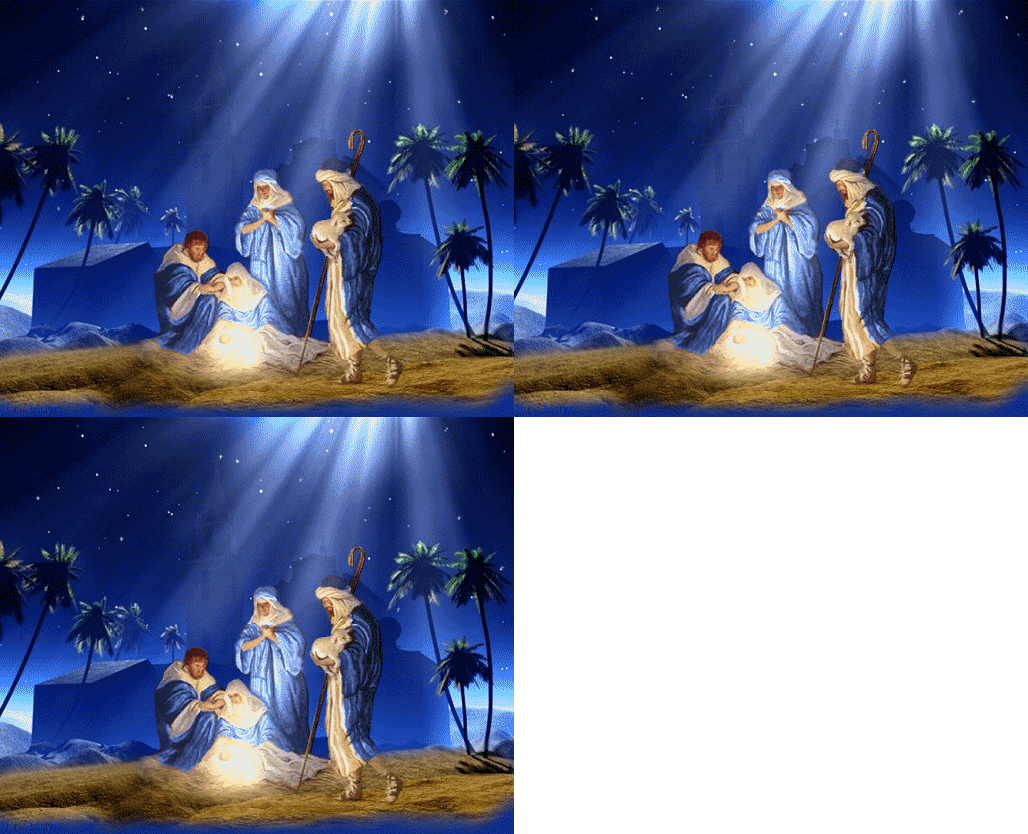
“The contemplation of Christ has an incomparable model in Mary. In a unique way the face of the Son belongs to Mary. It was in her womb that Christ was formed, receiving from her a human resemblance which points to an even greater spiritual closeness. No one has ever devoted himself to the contemplation of the face of Christ as faithfully as Mary. The eyes of her heart already turned to him at the Annunciation, when she conceived him by the power of the Holy Spirit. In the months that followed she began to sense his presence and to picture his features. When at last she gave birth to him in Bethlehem, her eyes were able to gaze tenderly on the face of her Son, as she “wrapped him in swaddling cloths, and laid him in a manger”. (Lk2:7)
Thereafter, Mary’s gaze, ever filled with adoration and wonder, would never leave him.” #10
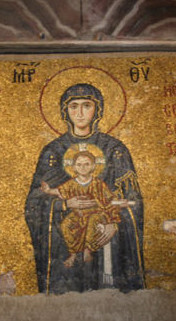
October 7th is traditionally the feast day of Our Lady of the Rosary. Following are a few comments about the “Hail Mary” prayer repeated throughout the rosary.
On our website we have the words to the “Hail Mary” prayer visually formatted to demonstrate the simple reality that the prayer is Christ-centered. At the center of the prayer is one word: JESUS. But it is introduced with these words: “Blessed is the fruit of thy womb…Jesus”. These words, taken from the Gospel of Luke (Lk 1:42), are the words Elizabeth speaks to Mary immediately after her unborn baby John the Baptist leaps in her womb due to the arrival and Presence of Unborn Jesus (in Mary’s womb).
The entire “Hail Mary” prayer revolves around Unborn Jesus! Yet, the prayer, like the life of Jesus, is expansive and inclusive, that is, it points to all of the other realities and experiences of Jesus during His life on this earth. His birth, childhood, public ministry, Passion and death, resurrection, ascension into Heaven are all naturally drawn into the simple message of this prayer: “Blessed is the fruit of thy womb JESUS!”
The word JESUS, is perhaps subtle in this prayer, subtle like an unborn baby in the early months of pregnancy. But the other words of the prayer are anchored by this one word. Like spokes emanating outward from the hub of a wheel, the words of the “Hail Mary” go outward from their quiet centerpoint, the word, the Person: JESUS.
And this is precisely the way Mary would want it. Her comment many years later at Cana “Do whatever He tells you” (Jn 2:5) is comparable to the famous comment by John the Baptist: “He must increase, but I must decrease” (Jn 3:30). Mary does not compete for our attention; no, she simply loves her child, the fruit of her womb, and offers Him, to you, in His meekness, His vulnerability, not as Eve offered forbidden fruit, but lovingly as the one necessary fruit for your salvation and happiness. You can reach out to her and accept this fruit: her baby JESUS, her savior JESUS.
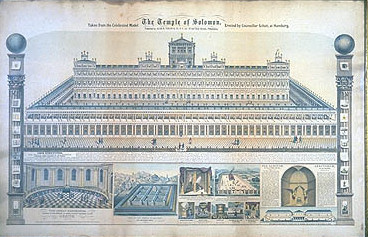
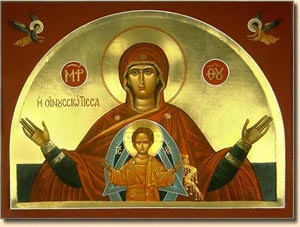
Today, October 5, 2007 is the feast day of St. Mary Faustina Kowalska, the Apostle of Divine Mercy. Here she speaks about the Mercy of God in the Incarnation.
“…Mercy has moved You to deign to descend among us and lift us up from our misery. God will descend to earth; the Immortal Lord of lords will abase Himself. But where will You descend, Lord; will it be to the temple of Solomon? Or will You have a new Tabernacle built for Yourself? Where do You intend to come down? O Lord, what kind of tabernacle shall we prepare for You, since the whole earth is Your footstool?
You have indeed prepared a tabernacle for Yourself; the Blessed Virgin. Her Immaculate Womb is Your dwelling place, and the inconceivable miracle of Your mercy takes place, O Lord. The Word becomes flesh; God dwells among us, the Word of God, Mercy incarnate. By Your descent, You have lifted us up to Your divinity. Such is the excess of Your love, the abyss of Your mercy. Heaven is amazed at the superabundance of Your love. No one fears to approach You now.”
From the The Diary of the Servant of God Saint M. Faustina Kowalska, Divine Mercy In My Soul, Notebook VI.

Today, October 4, 2007 is the feast day of St. Francis of Assisi.
Many Franciscans will tell you that the Christmas Crib holds a special place of honor in Franciscan spirituality. We know about Francis re-creating the Christmas scene one year as a living Nativity with real animals and so on. From his inspiration came the tradition of celebrating Christmas with a nativity scene. St. Bonaventure tells the story here.
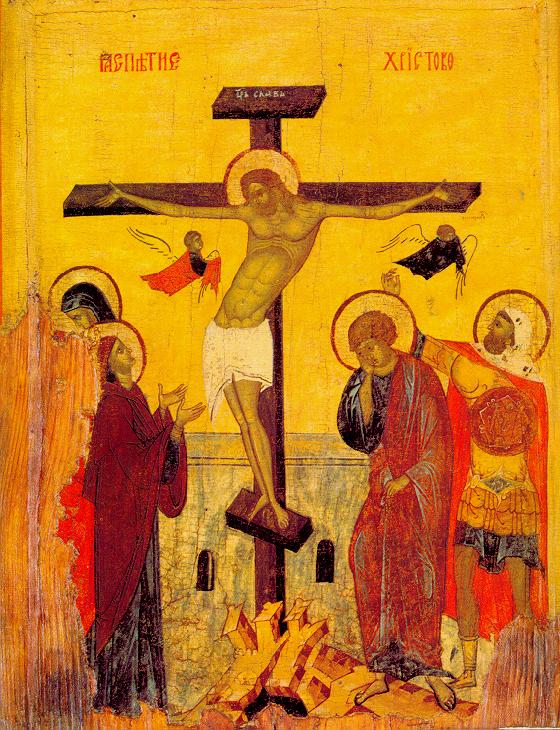
One might even say that the Crib of Christ balances out, so to speak, the Cross of Christ. Not that the Cross needs to be balanced out or toned down or made pretty. No not at all. Rather, the reality of God’s Love and Incarnation have two marvelous windows for the soul – like sunrise and sunset – in the Crib and the Cross. And Francis lived these realities when he instituted the living Nativity and when he received the stigmata.
One of his modern day followers in writing about “The Simplicity of St. Francis of Assisi” lists five characteristics, the second of which is: A Childlike Quality. This is one of the gifts one can receive from Bethlehem, not under the Christmas tree, not from one of the wise men, but from the baby Jesus Himself. If we go to the crib to honor the baby God there He will bless us in a childlike manner. Here is a wonderful quote from Mother Angelica (a Franciscan nun) of EWTN fame:
“I want very much to spread devotion to the Divine Child Jesus. Not only is He powerful, but what you need and I need is family, and that Child Jesus will make us one again. He will put love in our hearts, back where it should be.“
Another Franciscan nun focusing on the Advent dimension of her Franciscan spirituality speaks of creating space for Jesus in one’s own heart; a “crib in our hearts”. This is definitely a childlike concept. Can we relate to it in our sophisticated world with our complicated perspectives?
The crucified Christ saves our souls, perhaps the infant Christ can heal our attitudes!
Filed under: Poems
Last week, we had a post about Blessed Herman (a remarkable man. who overcame daunting physical limitations to become a saint in his time). We want to thank Julian for bringing to our attention this beautiful poem written about Blessed Herman. It was found in Father Benedict J Groeschel book, Stumbling Blocks or Stepping Stones.
Herman The Cripple
by
William Hart Hurlbut, M.D.
I am least among the low,
I am weak and I am slow;
I can neither walk nor stand,
Nor hold a spoon in my own hand.
Like a body bound in chain,
I am on a rack of pain,
But He is God who made me so,
that His mercy I should know.
Brothers do not weep for me!
Christ, the Lord, has set me free.
All my sorrows he will bless;
Pain is not unhappiness.
From my window I look down
To the streets of yonder town,
Where the people come and go,
Reap the harvest that they sow.
Like a field of wheat and tares,
Some are lost in worldly cares;
There are hearts as black as coal,
There are cripples of the soul.
Brothers do not weep for me!
In his mercy I am free.
I can neither sow nor spin,
Yet, I am fed and clothed in Him.
I have been the donkey’s tail,
Slower than a slug or snail;
You my brothers have been kind,
Never let me lag behind.
I have been most rich in friends,
You have been my feet and hands;
All the good that I could do,
I have done because of you.
Oh my brothers, can’t you see?
You have been as Christ for me.
And in my need I know I, too,
Have become as Christ for you!
I have lived for forty years
In this wilderness of tears;
But these trials can’t compare
With the glory we will share.
I have had a voice to sing,
To rejoice in everything;
Now Love’s sweet eternal song
Breaks the darkness with the dawn.
Brother’s do not weep for me!
Christ, the Lord, has set me free.
Oh my friends, remember this:
Pain is not unhappiness.
Filed under: Pro-life
Travis Boudreaux writes:
As part of the 40 Days for life campaign, I will be running daily pro life, and abortion videos over at my video blog. Please check it out, and let all of your readers know about it. http://www.catholic-tube.com
Click here for the video he posted on October 1. I found it very moving.
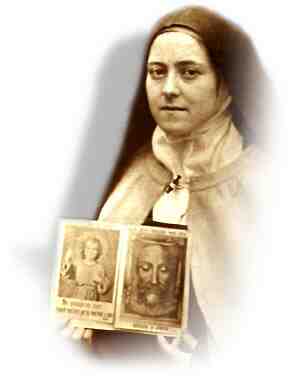
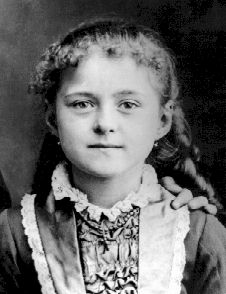
Also Kelly Clark at The Lady in the Pew has a beautiful post on Saint Therese of the Child Jesus and her little way:
October is Respect Life month in the U.S. Catholic Church.
The worldwide Pro – Life Movement is an organic grassroots rising-up of people appalled that others would advocate the killing of unborn children. The Society for the Protection of Unborn Children – founded in England in 1966 was the first pro-life group in the world. This of course also points to the sad distinction that England was leading the way in the killing of unborn babies in the free world (communist countries already had legalized abortion).
In the U.S., the Right to Life League of Southern California, founded in 1969 due to the liberalization of abortion laws there, was the first pro-life group in the U.S.
It wasn’t too long afterwards that the Catholic Church in the U.S. began to develop its “Respect for Life” programs.
We see in each of these names a message and commitment to human life. There is no doubt that in the abortion debate the Pro-Life Movement has taken the (inspired) high moral ground. Our opponents in this life-death struggle have placed themselves on the side of killing and death although they try to characterize their terms of engagement otherwise. Our terms of engagement are: Pro human life, desiring to protect innocent human life*, emphasizing the right-to-life – which in the U.S. was called a “self-evident” truth and an unalienable right (Declaration of Independence) – and promoting respect for human life which points to the dignity of each human being (a concept that is integral to any positive and progressive view of human beings).
Of course God said it first and most emphatically: “I have set before you life and death, blessing and curse; therefore choose life…” (Deut 30:19, and “Thou shall not kill.”)
In the 1990’s Pope John Paul II began pointing to yet another crucial distinction in our terms of engagement: a Culture of Life (as opposed to ‘culture of death’). This term, and the necessity of its realization, addresses the big picture and the long term view for humanity. He offers a cogent and prophetic explanation of the pro-life position in his ground-breaking, life-supporting document THE GOSPEL OF LIFE.
* Whereas the child, by reason of his physical and mental immaturity, needs special safeguards and care, including appropriate legal protection, before as well as after birth, (1959 United Nations Declaration of the Rights of the Child).
Filed under: Incarnation
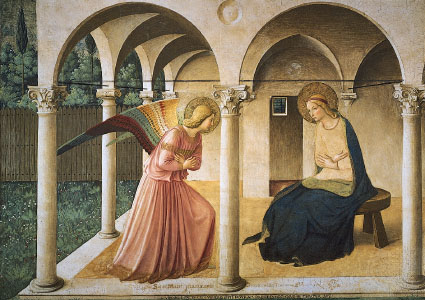
Today, September 29 is the feast day of St. Michael, St. Raphael and St. Gabriel. Gabriel appears to Daniel, Zachariah and Mary in the Bible. Harriet Beacher Stowe in her book, Footsteps of the Master, points to another noteworthy quality found in Mary by comparing her and the Prophet Daniel’s reactions to this awe inspiring Angel, whose name means “man of God,” or “God has shown himself mighty.”
“There is in her whole character a singular poise and calmness. When the Angel of the Annunciation appeared to her she was not overcome by the presence of the spiritual being as Daniel was, who records that ‘he fell on his face and there was no strength in him.’
Mary, in calm and firm simplicity, looks the angel in the face, and ponders what the wonderful announcement may mean. When she finds that it really does mean that she, a poor lonely maiden, is the chosen woman of all the human race – the gainer of the crown of which every Jewish woman had dreamed for ages – she is still calm.”
 UNBORN WORD of the day